
The process
From grove to bottle
Eleven stages mastered in-house — from tree-picking to the control of every bottled batch. This process, described exactly as practised, is what makes SIOF credible to customers in Morocco and abroad.
-
01
The grove
Everything starts at Domaine El Hamd: 220 hectares of olive trees planted with Moroccan varieties — Moroccan Picholine, Menara and Haouzia — on silty clay soil under 300 days of sunshine a year. Rational irrigation, moderate fertilisation.
220 ha · 3 Moroccan varieties
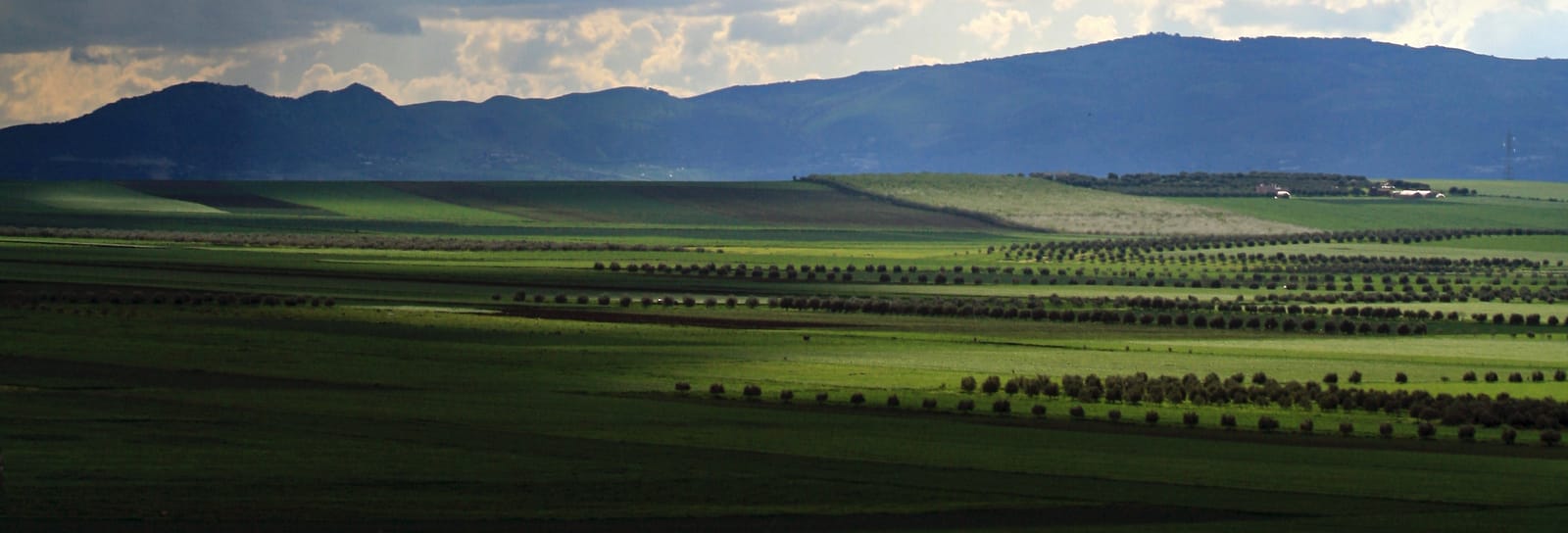
Olive groves around Volubilis, Fès-Meknès region — generic photo CC BY 2.0 (Dimitry B.), not the SIOF estate -
02
Harvest & leaf removal
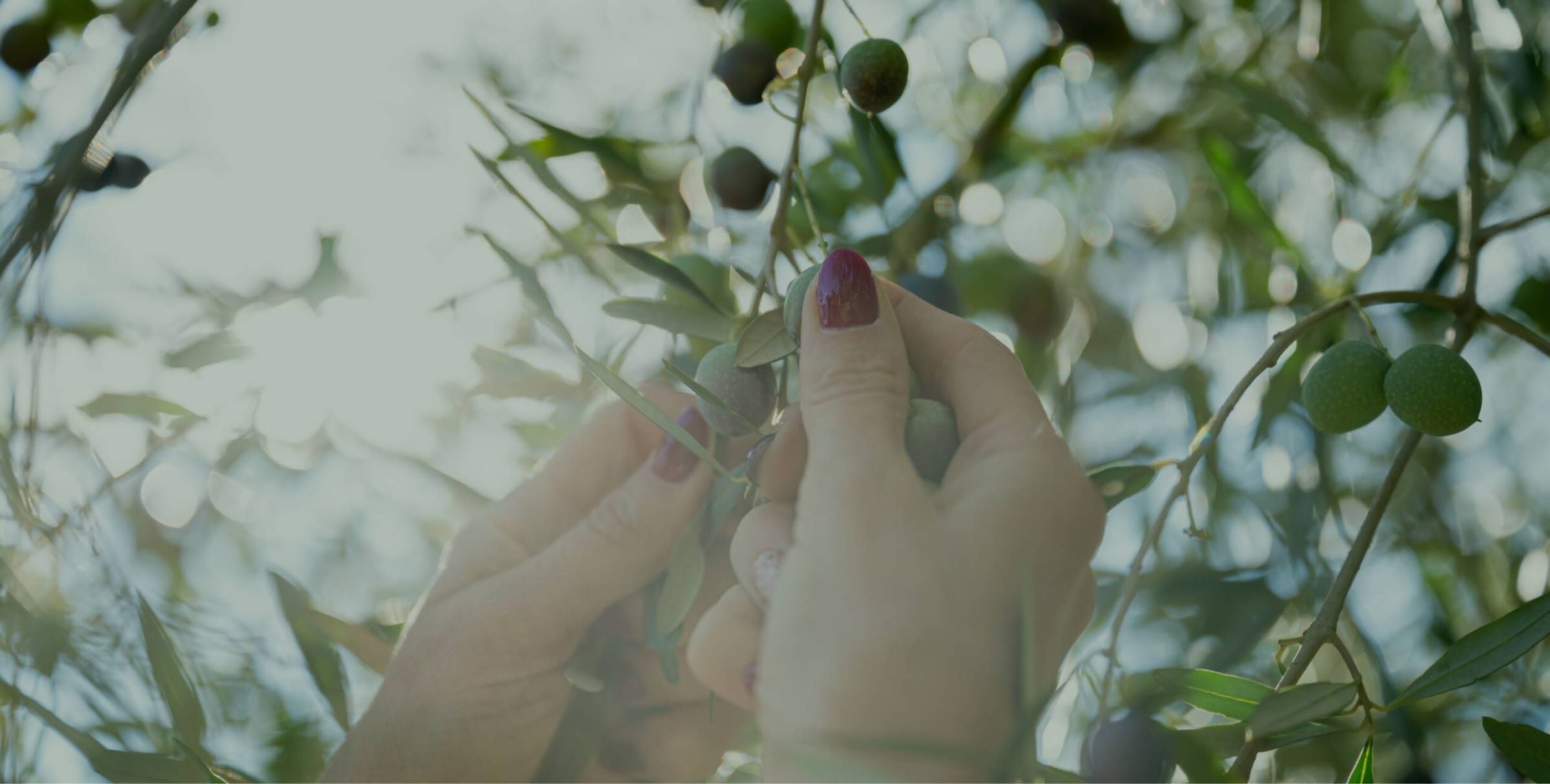
Olives are picked directly from the tree, never touching the ground, and moved in crates under 30 kg. From harvest to crushing, never more than 24 hours: a “pure olive juice” that keeps its polyphenols, with very low acidity — typically 0.1°–0.2° at bottling.
≤ 24 h from harvest to crush
-
03
Selection & crushing
The mechanised crushing unit processes sound olives continuously, with a daily capacity of 150 tonnes. Mastery of harvest and sorting yields very pronounced positive sensory attributes.
150 t/day crushing capacity
-
04
Washing & malaxing
After leaf removal, the olives are washed and rinsed in cold water, then milled. Malaxing runs for at least 40 minutes to prepare extraction.
Malaxing ≥ 40 minutes
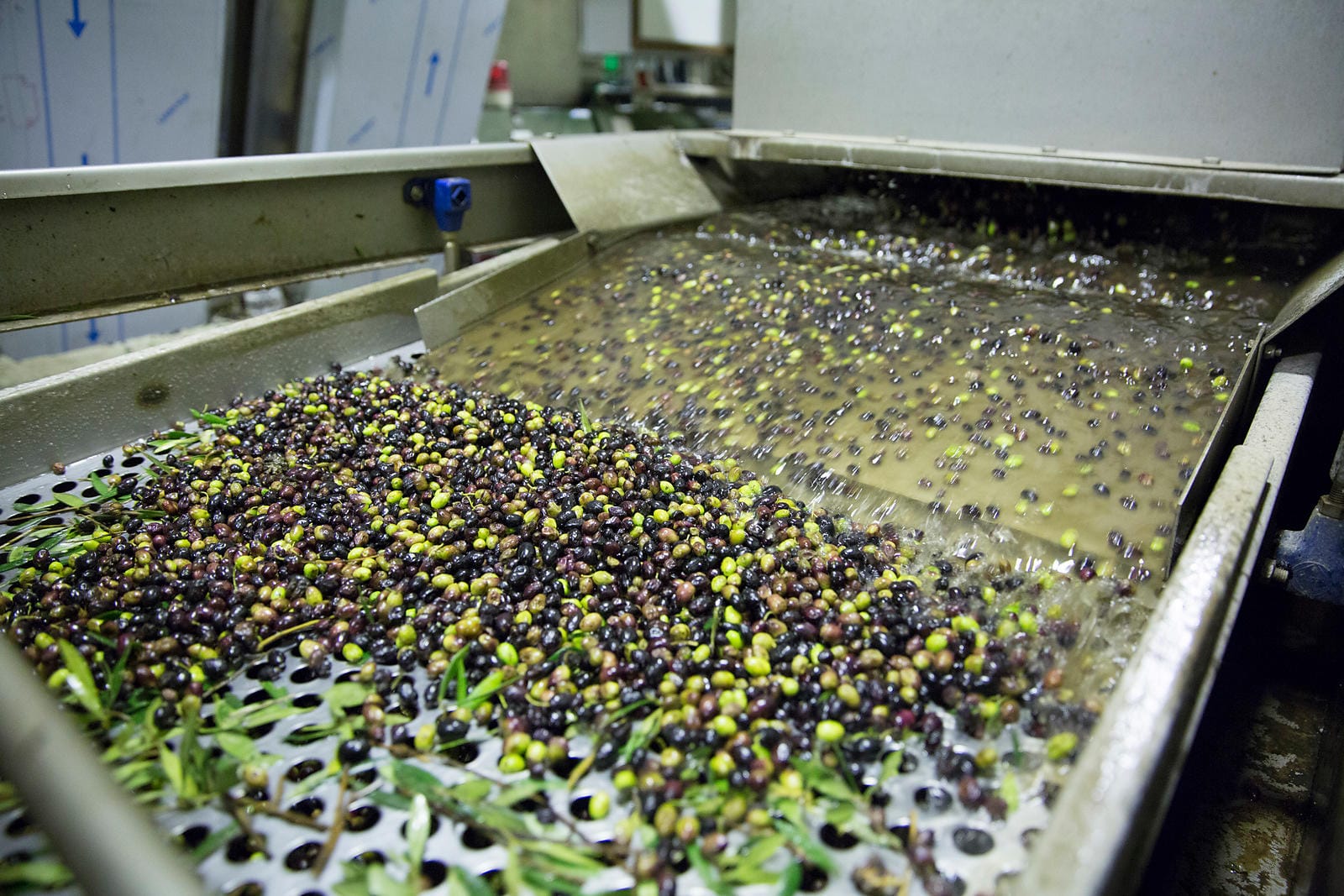
Washing and separation line — manufacturer press photo (GEA), generic equipment -
05
Separation & centrifugation
Extraction is entirely mechanical: milling, malaxing, separation. A horizontal separator splits pomace from oil; a vertical centrifuge cleans the oil of its vegetal water.
100% mechanical, no solvents
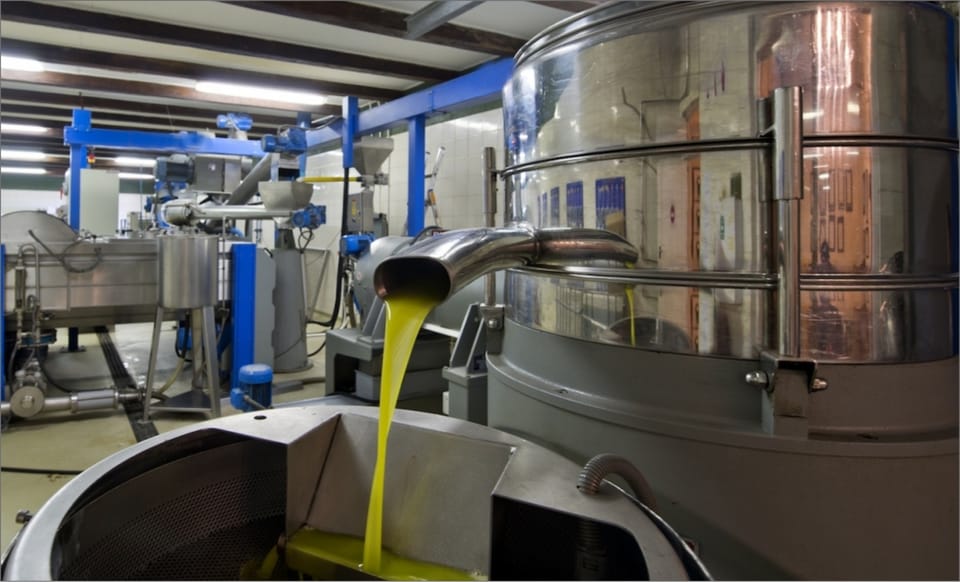
Olive-oil press machinery — visual from siofgroup.com -
06
Pomace extraction
Nothing is wasted: fresh pomace is dried, then processed by fully automated extraction and continuous vacuum distillation. Handling 1,200 tonnes a day and producing 5,000 tonnes of raw oil per campaign, SIOF currently leads Moroccan pomace-oil extraction.
1,200 t/day · 5,000 t/campaign
-
07
Refining
Since the 1966 authorisation, edible-oil refining has anchored the Dokkarat complex: table oils serving the Moroccan market and renowned international partners, to the sector’s most demanding standards.
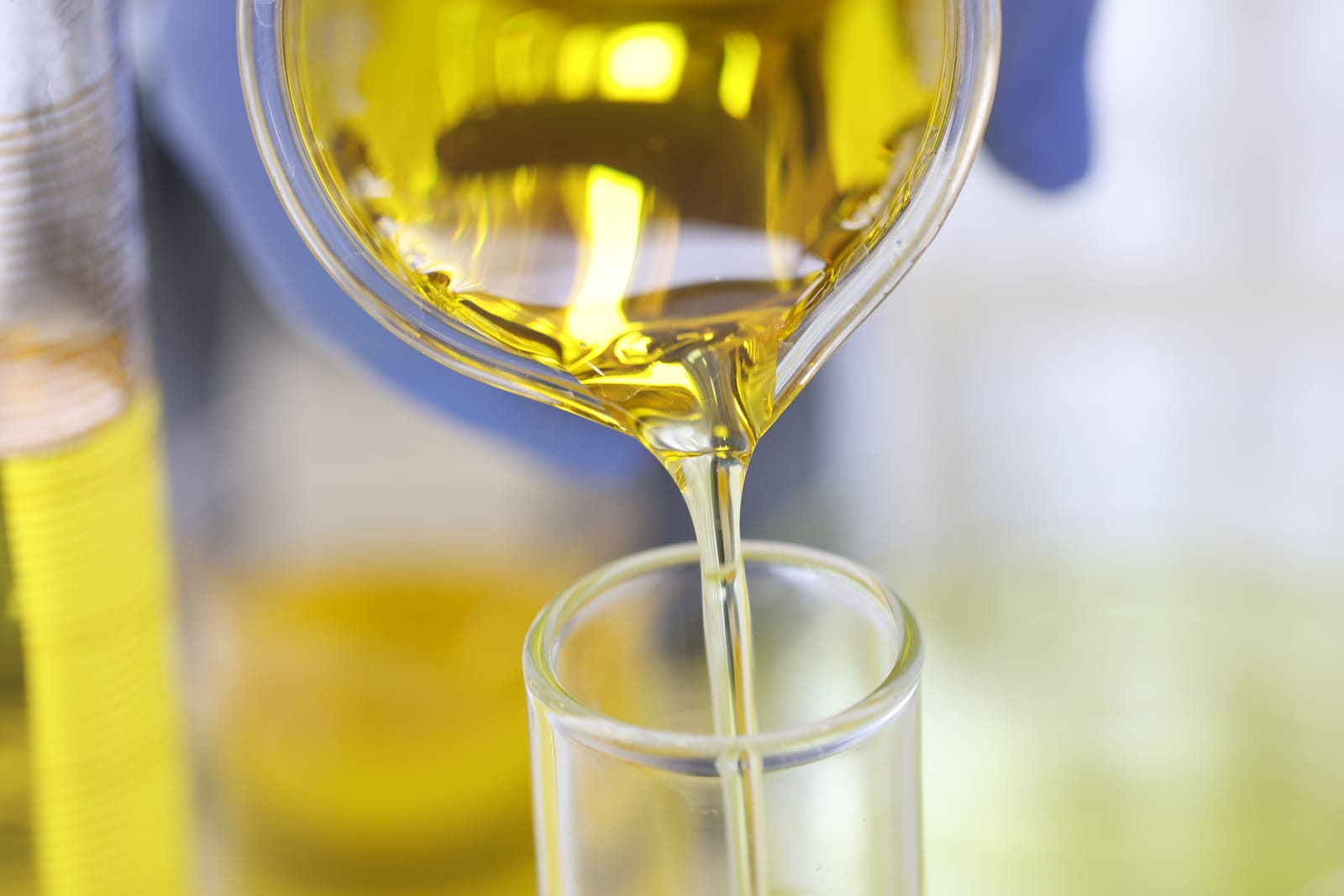
Laboratory control — visual from siofgroup.com -
08
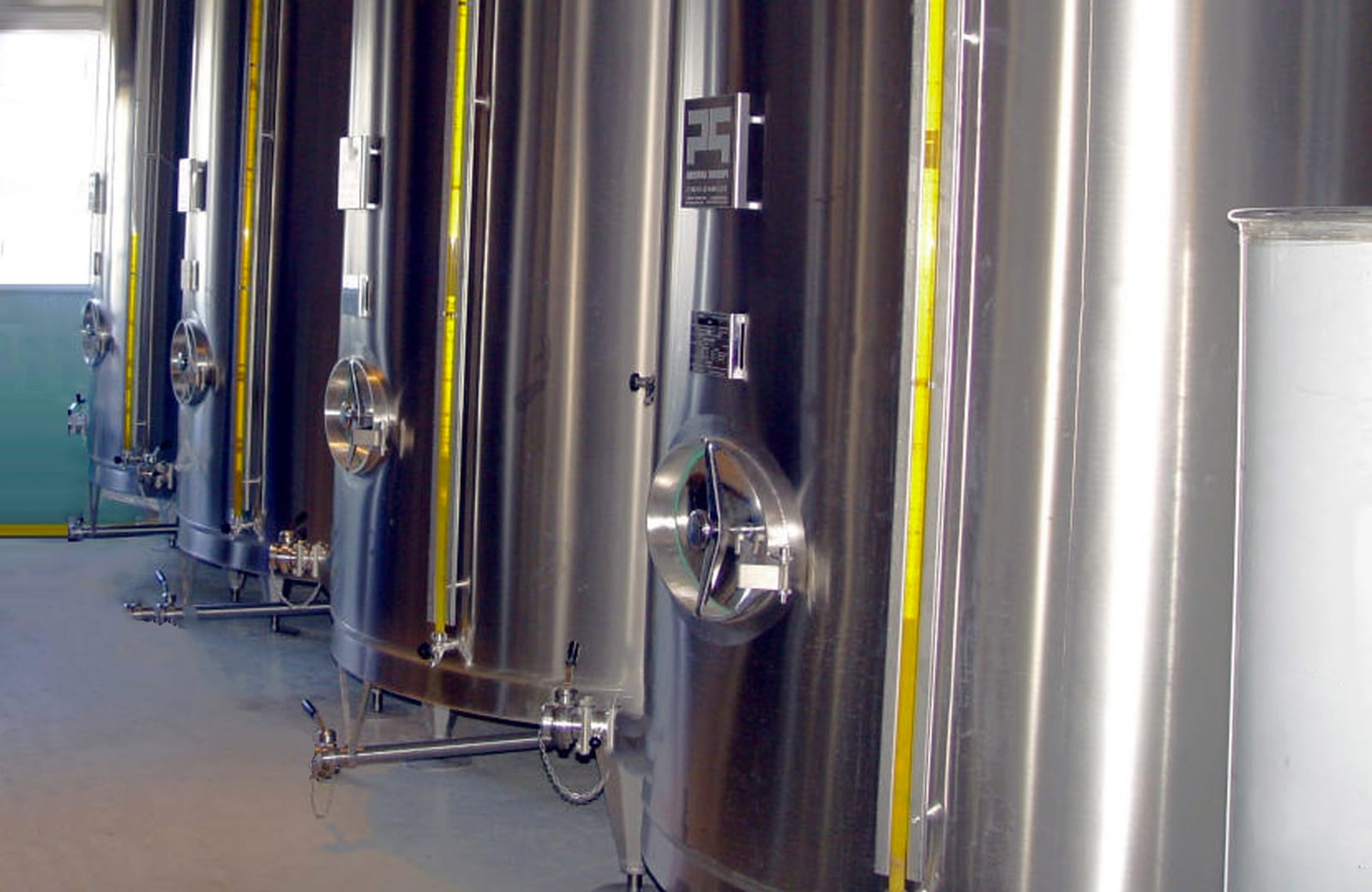
Stainless storage
Extra-virgin oil rests in stainless-steel tanks, terroir by terroir, preserving its fruitiness until bottling.
-
09
Bottling
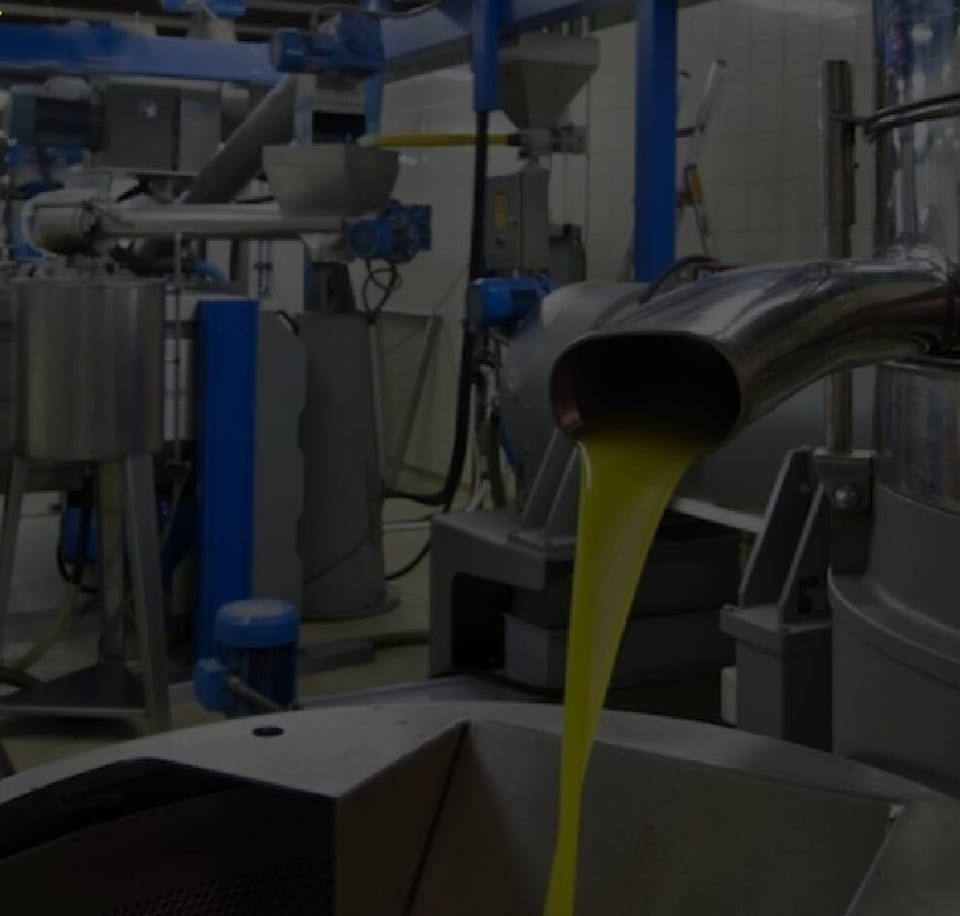
Strict control intervenes at every stage of conservation and packaging. SIOF has manufactured its own packaging since 1972; after the 2003 PVC ban, every packaging line was modernised. A wide variety of packaging serves a diverse clientele.
In-house packaging since 1972
-
10
Quality control
Every batch is qualified: geographic origin, variety, soil, operations. The group’s displayed certifications — IFS Food, FSSC 22000, IMANOR Halal, Star-K Kosher, Garantía Halal — frame food safety.
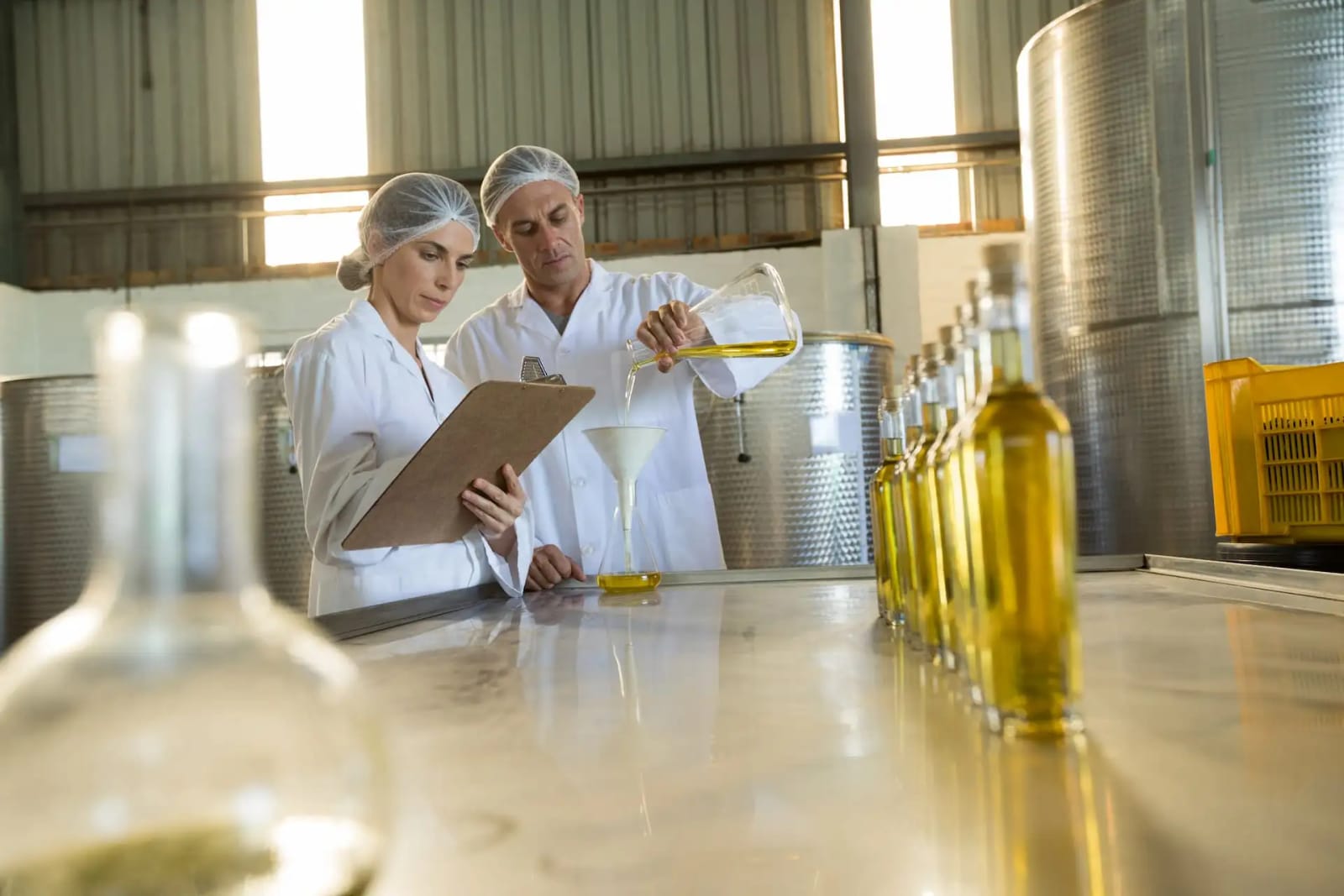
Bottle inspection — visual from siofgroup.com -
11
Traceability
Owning our groves enables full traceability “from the young plant”: every bottle can be tied to a geographic origin, a variety, a soil and documented operations — through to the final customer, in Morocco and abroad.
Traceability from plant to bottle


Industrial capacity
Crushing, pomace, raw oil, groves: the key figures of the Fès complex.
150 t/day
Olive trituration capacity
1,200 t/day
Fresh pomace processed
5,000 t/campaign
Raw pomace oil produced
220 hectares
Own olive estate — Domaine El Hamd
Source: 2022 export catalogue, p. 3 · siofgroup.com process page